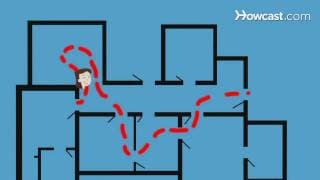
Learning format
Memory Palace
You place what you want to remember in locations you already know — and walk the route again later, in your head.
The method is best known as the memory palace or the method of loci. In Mnemorya it is simply called Memory Palace – and you don’t build a palace, you walk a route you already know.
- 1
Lay out the route
Take a route you know, such as your home, and lay it out place by place: front door, hallway, kitchen, living room. The order is your route.
Lay out the route
Take a route you know, such as your home, and lay it out place by place: front door, hallway, kitchen, living room. The order is your route.
- 2
Place a memory image
One tap on the picture sets a marker. It holds what you want to remember and the image for it. “Generate AI image” puts it right into the place: a seer at your front door.
Place a memory image
One tap on the picture sets a marker. It holds what you want to remember and the image for it. “Generate AI image” puts it right into the place: a seer at your front door.
- 3
Walk it in your head
The walkthrough takes you back place by place. You look for the marker, reveal it and say honestly whether you still knew it.
Walk it in your head
The walkthrough takes you back place by place. You look for the marker, reveal it and say honestly whether you still knew it.
Picture the way from your front door to your kitchen. You know what stands on the left, what hangs on the right, which room comes next — without ever having deliberately learned it. The memory palace uses exactly that route as storage: at every station you leave one thing you want to remember, as an image that stands out there. To recall it, you walk the route and find the images again, in the same order.
The technique is about two thousand years old — Roman orators used it to deliver hour-long speeches without notes. What is new is that we can now look up why it works: spatial memory is an older and more robust faculty than memorising lists. A route through your own home is already stored, without effort and without repetition. The method hangs new material onto that existing structure instead of building a second one beside it.
In 2005 the journalist Joshua Foer actually just wanted to report on a memory contest in the USA. There the contestants told him they didn't have amazing memories at all, just a trick. Foer tried it out, practiced for a year and in 2006 won the USA Memory Championship himself. In 2011 he wrote the book “Moonwalking with Einstein” about it.
The part most people overlook is the ordering. Because a route has a direction, knowledge comes back in sequence — you can walk a tour forwards, backwards, or start at a particular station. That makes it suited to anything with an order to it: processes, chains of argument, procedural steps, lists that simply have to stick.
In Mnemorya you build a tour on a real map or inside a photo of your own, place the stations in order, and attach your material to each one. Later you walk it in the walkthrough. What you knew confidently and what you did not feeds into when it comes back to you — so the tour is not a one-off trick but something that keeps growing with you.
Example
Caesar’s last day, stored in your home
First the content, then the images, then the route. That is how a short text becomes a Memory Palace.
1The content: mark what should stay
On 15 March 44 BC, Gaius Julius Caesar is murdered. Weeks earlier, the seer Spurinna warned him: the danger lasts until the Ides of March. The night before, his wife Calpurnia dreams that he dies in her arms and begs him to stay at home. On the way, someone presses a note with the plot of the conspirators into his hand. Caesar means to read it later. In the Senate, the conspirators stab him 23 times. He dies at the foot of Pompey’s statue, his old rival.
2How you could think: turn every mark into an image at a place
Take a route you know in your sleep, such as your home. Every marked passage gets a place, in the order of the story, and an image that stands out there.
- Spurinna warns of the Ides of March1Front doorA seer stands at my front door and raises his hand: “Beware the Ides!”The door is the start of the route, the warning the start of the story.
- Calpurnia dreams and begs him to stay2HallwayIn the hallway, Calpurnia holds on to his red cloak on the coat rack.Whoever wants to leave the house has to get past the cloak.
- A note with the plot, unread3KitchenA sealed scroll lies on the kitchen table. Nobody has opened it.What is left lying on the table, nobody has read.
- 23 stab wounds, at the foot of Pompey’s statue4Living roomPompey stands in marble on the mantelpiece and looks down at me.The rival stands above, Caesar lies below.
3The Memory Palace: your route with the images
In Mnemorya you set a marker at every place and have the memory image inserted right into the photo. When you walk the route, you open place by place, and the story comes back in the right order.
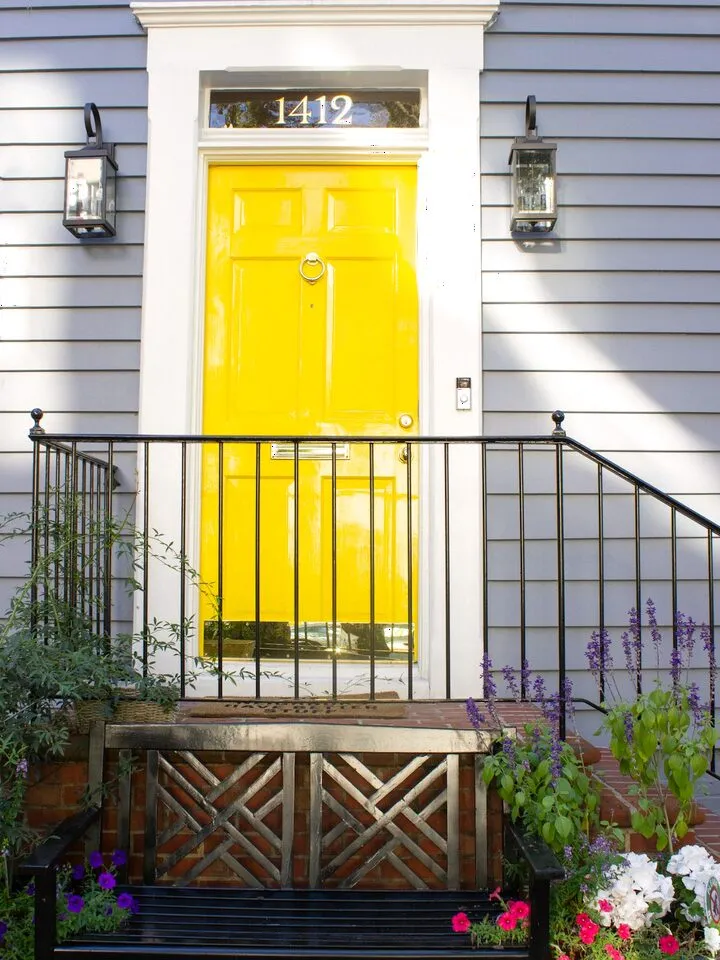
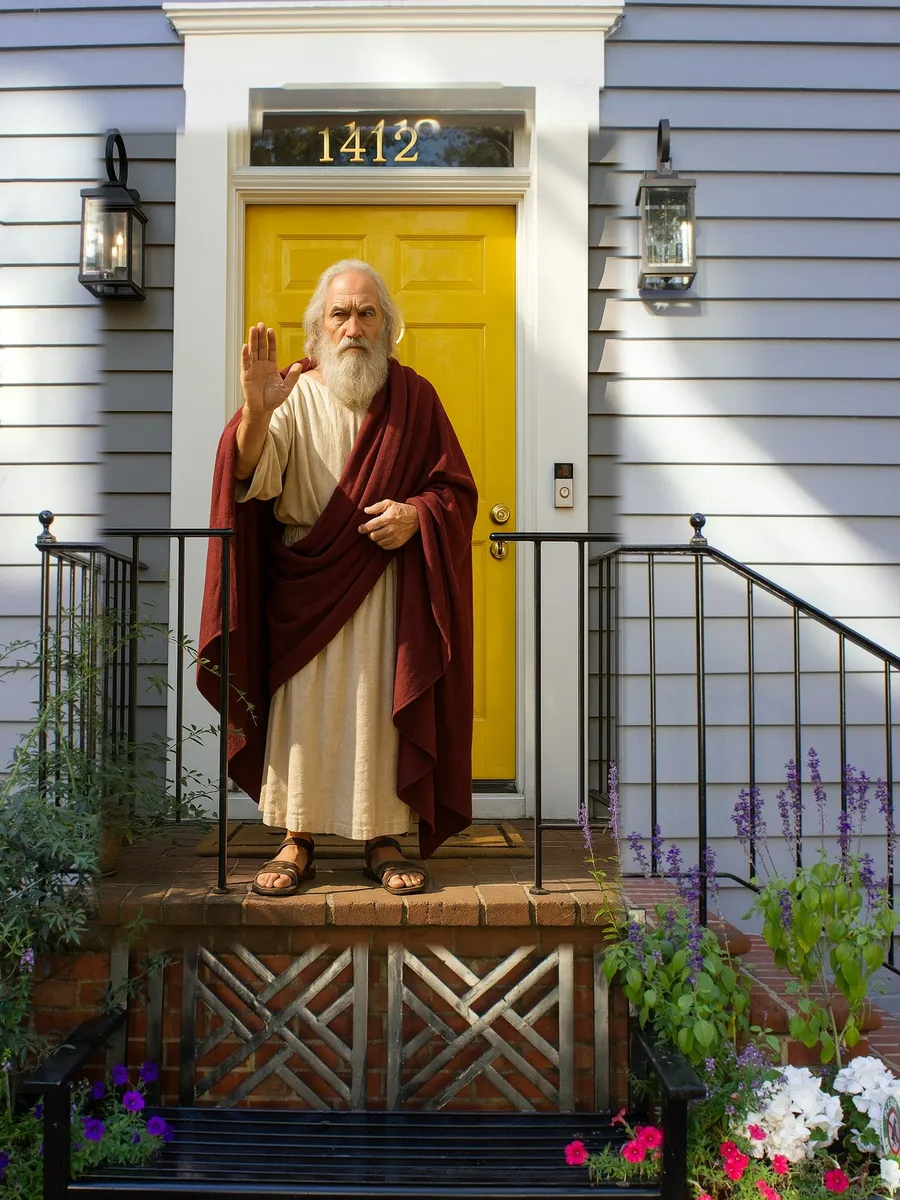 Place 1 · Front doorA seer stands at my front door and raises his hand: “Beware the Ides!”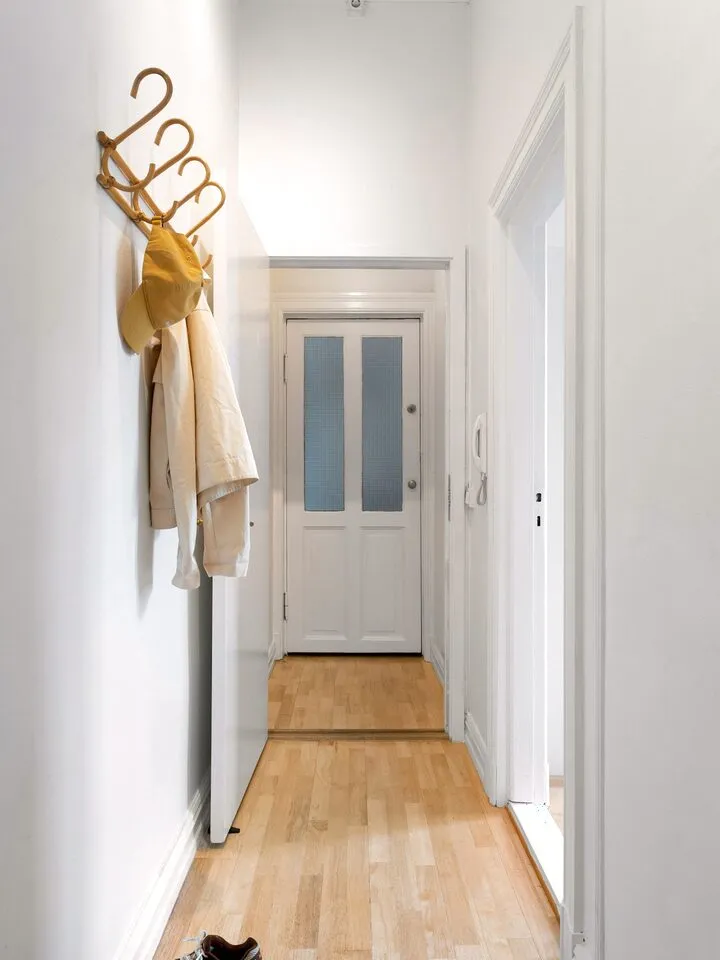
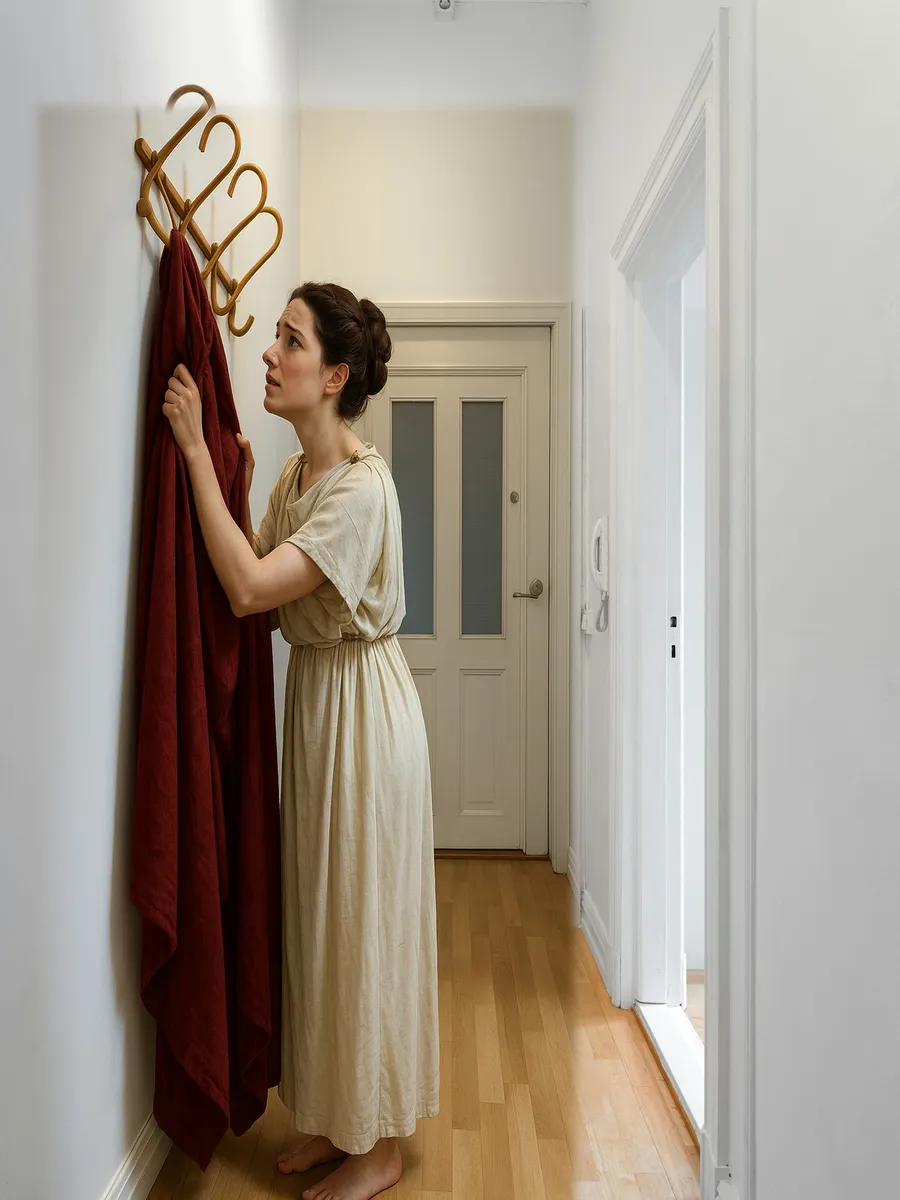 Place 2 · HallwayIn the hallway, Calpurnia holds on to his red cloak on the coat rack.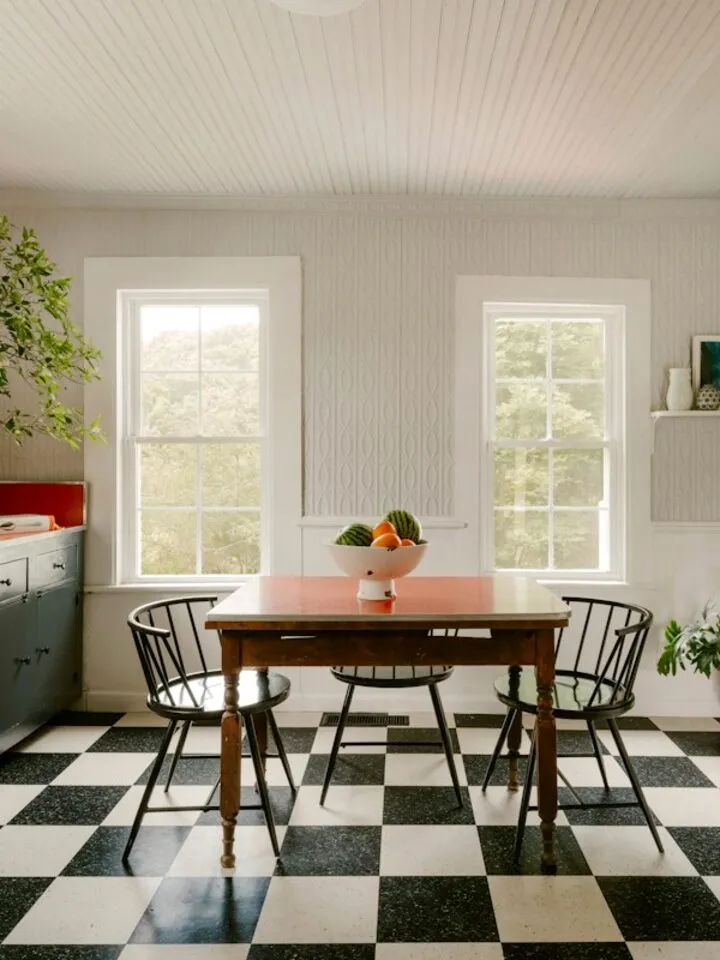
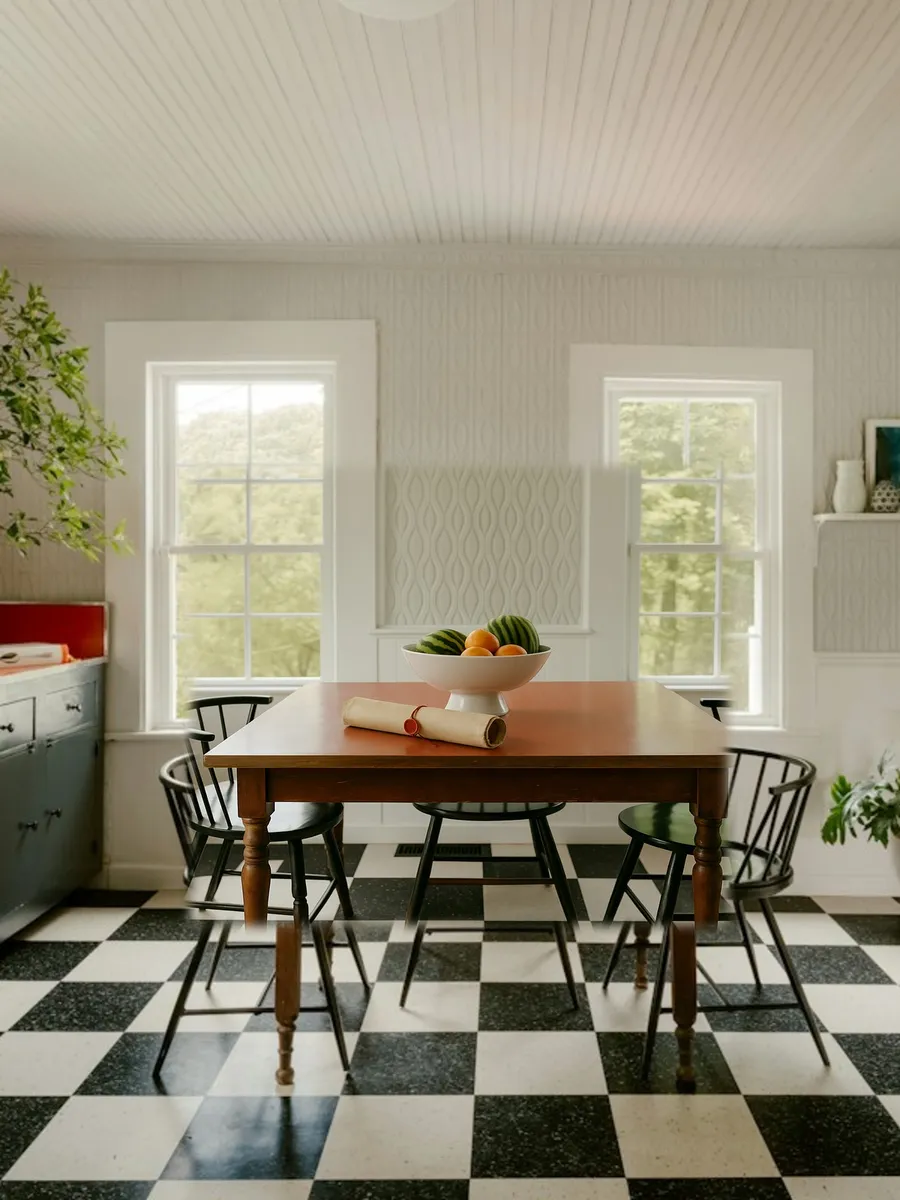 Place 3 · KitchenA sealed scroll lies on the kitchen table. Nobody has opened it.
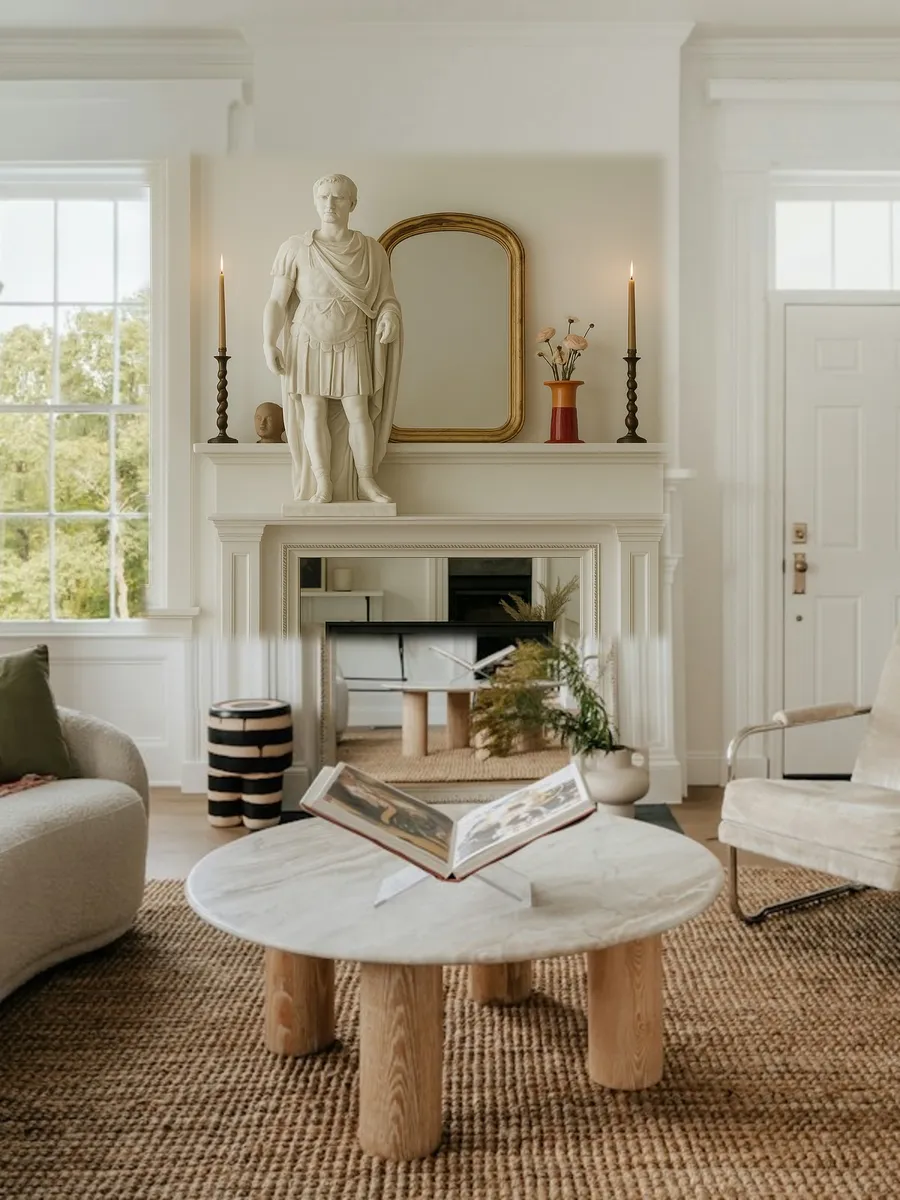 Place 4 · Living roomPompey stands in marble on the mantelpiece and looks down at me.
The method in four short videos
The same clips you see in the app before your first memory palace.
1 · Hello
2 · A question
3 · The technique
4 · Memory palaces in Mnemorya
The research behind it
The studies this method rests on. Each one is verifiable through its DOI — looking them up is very much the point.
Ten memory athletes and ten controls in a brain scanner: the exceptional performance came neither from higher intelligence nor from differently built brains. Nine out of ten simply used this method — activating the regions responsible for spatial navigation as they did.
Routes to remembering: the brains behind superior memory. Nature Neuroscience, 6(1), 90–95.
doi.org/10.1038/nn988Six weeks of training with the method of loci produces the same connectivity patterns that distinguish memory athletes from everyone else. The ability is not innate but learnable — and it measurably changes how the brain goes about remembering.
Mnemonic Training Reshapes Brain Networks to Support Superior Memory. Neuron, 93(5), 1227–1235.e6.
doi.org/10.1016/j.neuron.2017.02.003The effect lasts, which is the actual point: the training specifically improved the material that was still retrievable beyond 24 hours. Not short-term retention, but what is still there the next day.
Durable memories and efficient neural coding through mnemonic training using the method of loci. Science Advances, 7(10), eabc7606.
doi.org/10.1126/sciadv.abc7606Not a laboratory finding but real teaching: medical students who learned endocrinology with the method of loci scored significantly better in assessments than the comparison group doing self-directed study.
The method of loci as a mnemonic device to facilitate learning in endocrinology leads to improvement in student performance as measured by assessments. Advances in Physiology Education, 38(2), 140–144.
doi.org/10.1152/advan.00092.2013Foer tells how he, a reporter with no special talent, became US memory champion after one year of training.
Moonwalking with Einstein: The Art and Science of Remembering Everything. Penguin Press.
Keep watching
See the idea in motion.
Selected videos for going deeper. Each link opens the original creator on YouTube.