Concepts
What Mnemorya is built on
We didn't invent anything. We just listened well.
Behind every feature there is a book, a study or a mind that figured it out before us. Here is who, and where you find it in the app.
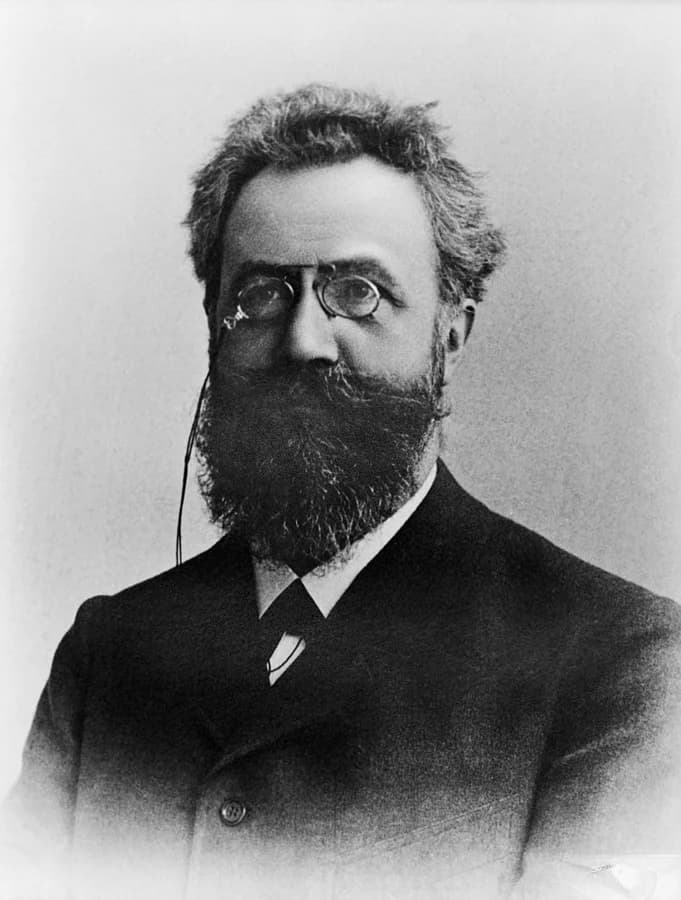
Hermann Ebbinghaus · 1885
Forgetting curve
Über das Gedächtnis
The first to measure how fast we forget.
That is why Mnemorya asks you again just before you would forget something.
Read in the wiki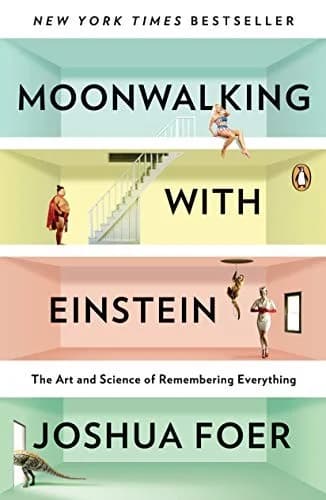
Joshua Foer · 2011
Memory Palace
Moonwalking with Einstein
“Remembering can only happen if you decide to take notice.”
One year of training, then US Memory Champion. His method of hanging knowledge on places is our Memory Palace.
Read in the wiki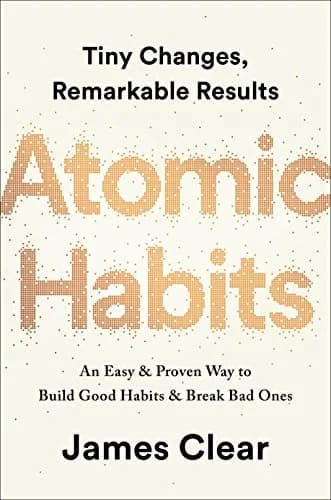
James Clear · 2018
Atomic Habits
“You fall to the level of your systems.”
Every tick in the habit check-in is a vote for the person you want to become.
Read in the wiki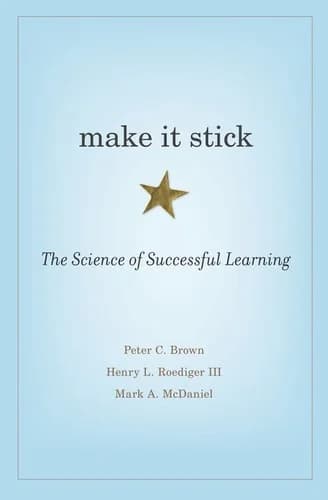
Roediger & Karpicke · 2006
Active Recall
Test-Enhanced Learning · Make It Stick
Recall beats rereading: 61 versus 40 percent.
So every card quizzes you instead of just showing itself.
Read in the wiki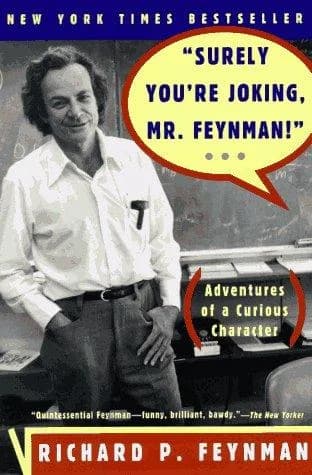
Richard Feynman · 1985
Feynman technique
Surely You're Joking, Mr. Feynman!
A Nobel laureate who loved explaining hard things simply.
In Feynman mode you explain a topic to Mnemo so simply that a child would get it.
Read in the wiki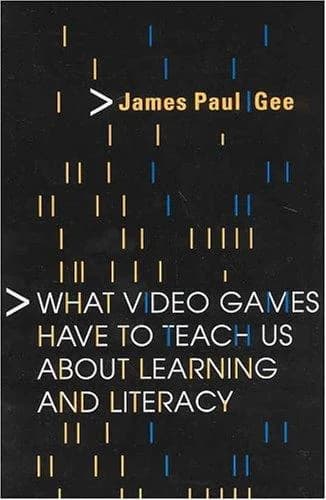
James Paul Gee · 2003
Learning like a game
What Video Games Have to Teach Us About Learning and Literacy
Good games are learning machines.
Levels that build on each other, XP for sticking with it and for every new card stage, communities around a topic: ideas from his learning principles.
Read in the wiki
Woźniak & Jarrett Ye · 1987/2022
Spaced Repetition
SuperMemo · FSRS
A memory has two values: how easy and how long.
Their algorithm schedules every review and grows your cards from egg to butterfly.
Read in the wikiRohrer & Taylor · 2007
Interleaving
The Shuffling of Mathematics Problems Improves Learning
Mixing topics beats practicing one topic at a time.
That is why the Feed mixes cards from different topics.
Read in the wiki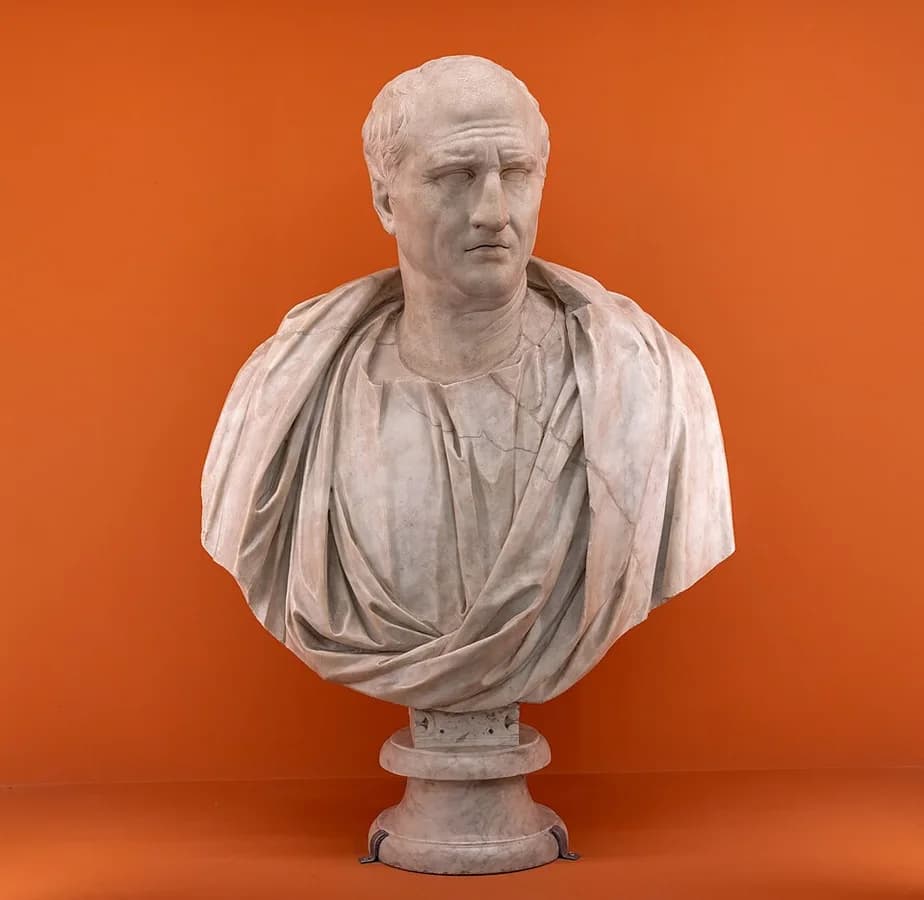
Simonides & Cicero · Antiquity
Method of loci
De oratore
Roman orators spoke for hours without notes.
Their method of places is over 2,000 years old. In the Memory Palace you walk it along your own route.
Read in the wiki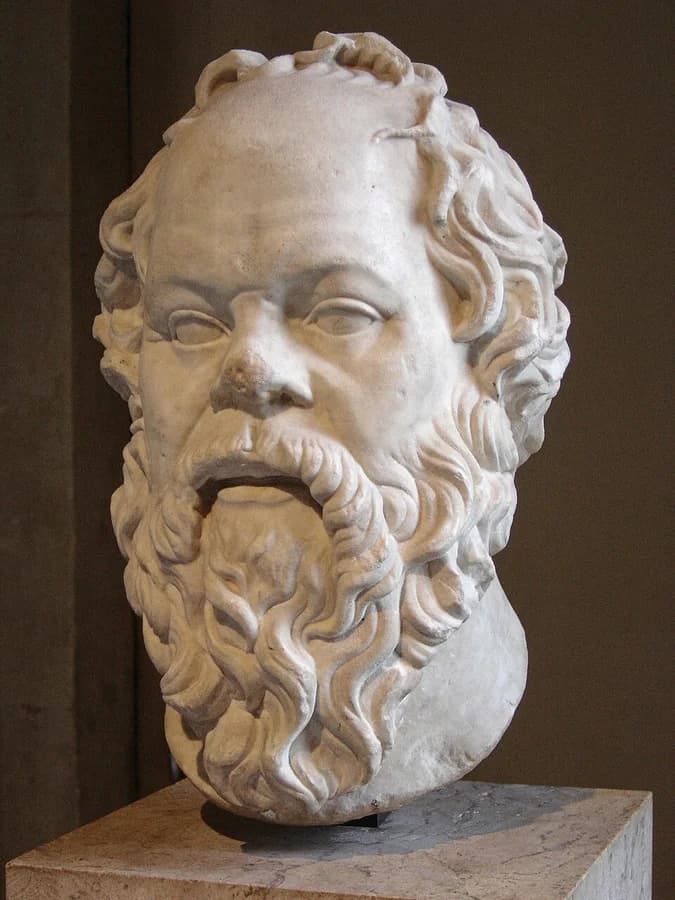
Socrates · Athens
Socratic method
He asked instead of claiming.
In conversation exercises you can pick Socratic mode: Mnemo only asks, you get there yourself.
Read in the wiki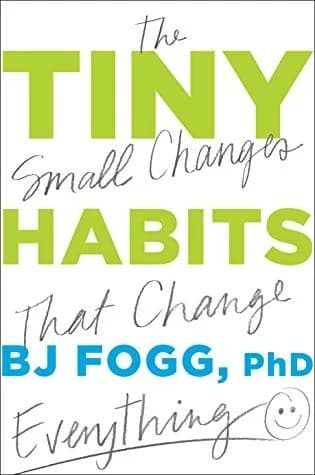
BJ Fogg · 2019
Tiny Habits
Make it so small that saying no is harder.
For every habit you can set a smallest step, for example just 2 cards.
Read in the wikiRobert & Elizabeth Bjork · 1994
Desirable difficulties
Memory and Metamemory Considerations in the Training of Human Beings
What feels hard while learning sticks longer.
That is why the card only shows you the answer after you have tried yourself.
Read in the wiki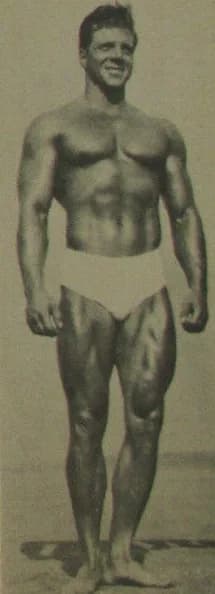
Allan Paivio · 1969
Dual Coding
Mental Imagery in Associative Learning and Memory
In 1948 he became Mr. Canada. Then he researched why we remember pictures better.
Words and pictures leave two traces in the mind. That is why in the Bildpfad you hang your knowledge on points in a picture.
Read in the wiki
Richard Mayer · 2001
Multimedia principle
Multimedia Learning
Words and pictures together work better than words alone.
That is why every slide can combine text with an image, video or sound.
Read in the wiki
Charles Duhigg · 2012
Habit Loop
The Power of Habit
Cue, routine, reward.
A reminder brings you back to learning, then the app shows you what you got done.
Read in the wikiSlamecka & Graf · 1978
Generation effect
The Generation Effect: Delineation of a Phenomenon
What you create yourself, you remember better.
That is why you build your cards, key ideas and Memory Palaces yourself.
Read in the wiki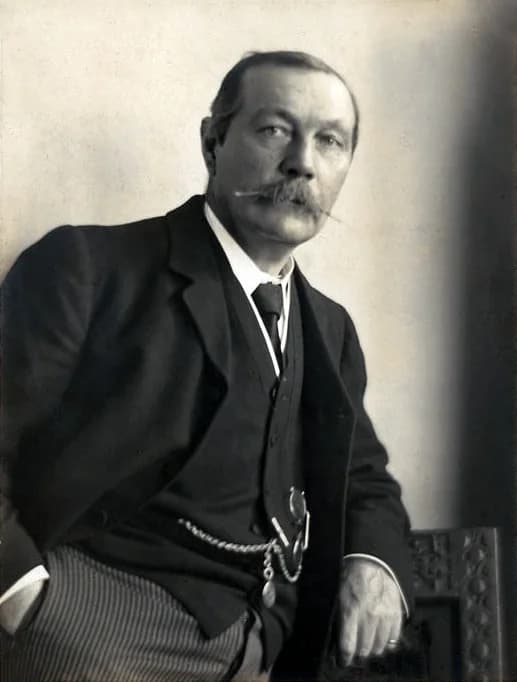
Arthur Conan Doyle · 1887
Brain attic
A Study in Scarlet
His Sherlock Holmes stores knowledge in a “brain attic”.
The introduction to the Memory Palace is a nod to it.
Read in the wikiPeter Gollwitzer · 1999
If-then plans
Implementation Intentions: Strong Effects of Simple Plans
Deciding when and where makes you more likely to do it.
That is why you can set when and where you do each habit.
Read in the wiki
Lev Vygotsky · 1978
Zone of proximal development
Mind in Society
Learning works just above what you can already do.
That is why the Atlas builds on what you already know, and you can enter your prior knowledge yourself.
Read in the wiki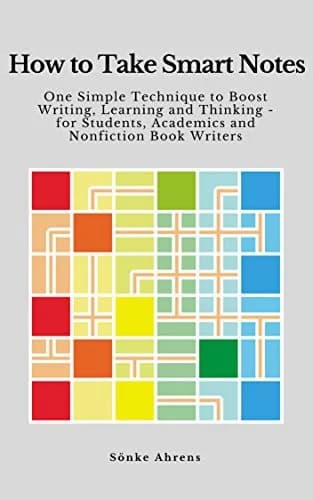
Sönke Ahrens · 2017
Zettelkasten
How to Take Smart Notes
Notes in your own words instead of highlights.
From your sources you pull key ideas and write them down in your own words.
Read in the wikiPhillippa Lally · 2010
66 days
How Are Habits Formed: Modelling Habit Formation in the Real World
That is how long it takes on average for a habit to run on its own.
That is why the app guides you through the phases of a new habit.
Read in the wiki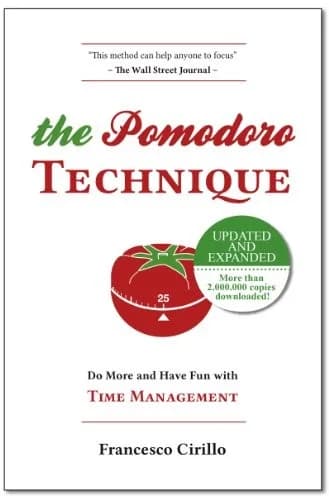
Francesco Cirillo · 1980s
Pomodoro technique
The Pomodoro Technique
25 minutes of focus, then a break.
The study session has a timer with breaks, right onto the lock screen if you like.
Read in the wiki
Plus the studies
- Cepeda 2006 — spaced beats crammed
- Maguire 2003 — memory athletes think in places
- Dresler 2017 — six weeks of training change the brain
- Wagner 2021 — what you learn lasts for months
- Szpunar 2013 — questions in the middle of a video
- Chase 2009 — those who explain learn themselves
- Crutcher & Beer 2011 — pictures in your head while listening
- Bloom 1968 — master it first, then the next level
- Locke & Latham 2002 — clear goals carry you
- Deci & Ryan 2000 — rewards motivate when they show skill
Developed by Mnemorya
What you watch and listen to becomes a lesson.
The research above shows that people who are asked questions along the way remember more. We built two learning formats of our own on that idea. They turn any video and any podcast into a lesson that pauses at the important moments and asks.
Learning format
Video lesson
The video stops where you are meant to answer something — and that is exactly what keeps you present.
Read in the wiki
Learning format
Podcast lesson
The same idea for listening: questions where it matters — even while you are out and about.
Read in the wiki